Build a custom phage display library for your target from the ultra-long CDRH3 repertoire of cattle immunized with your antigen. No separate platform license required.
Fortis builds a custom phage display library from the immune repertoire of cattle immunized with your antigen.. You receive a vial of phage display library ready to screen within your own discovery workflow, without licensing requirements.
When to Consider AbPico
Is the epitope you want to investigate difficult to access?
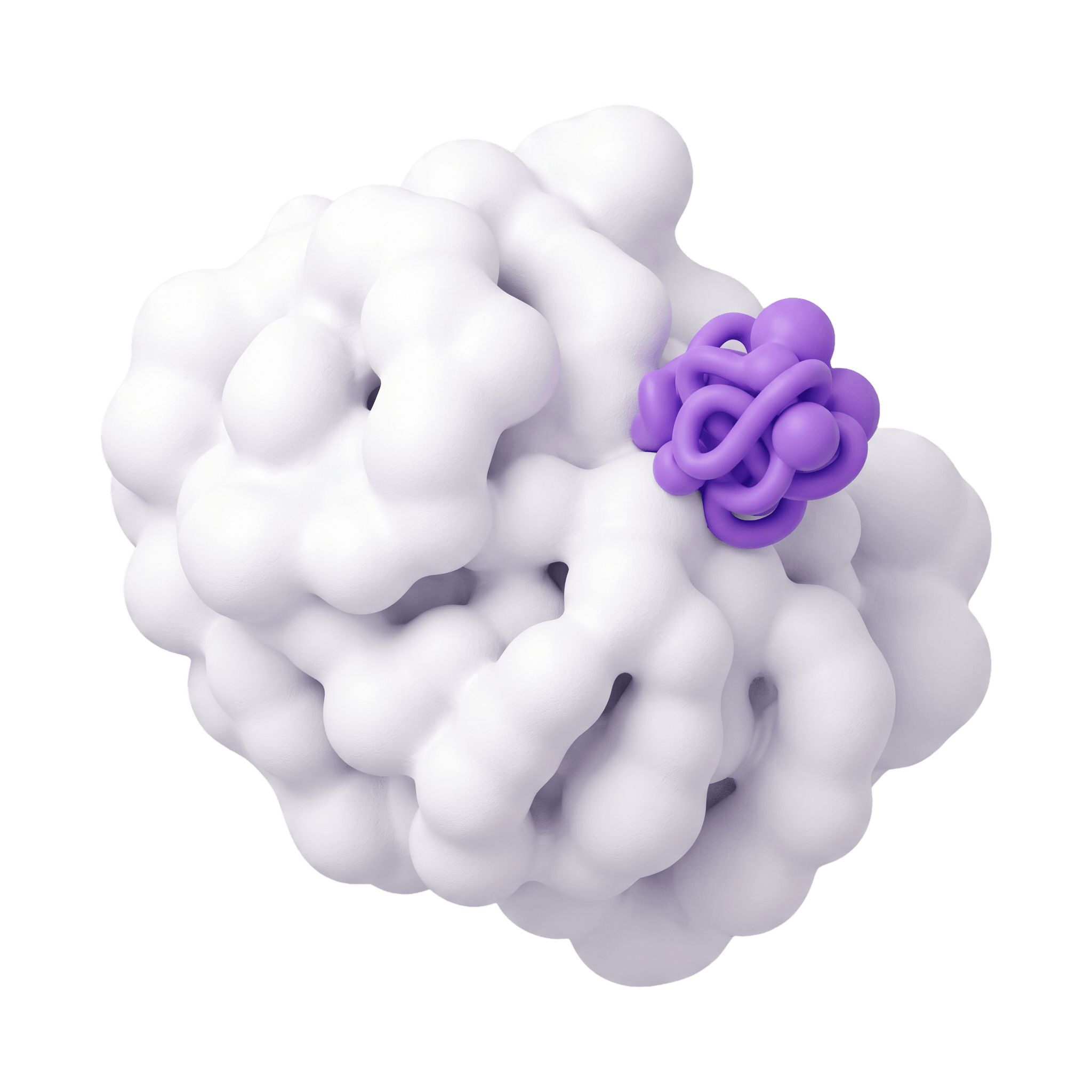
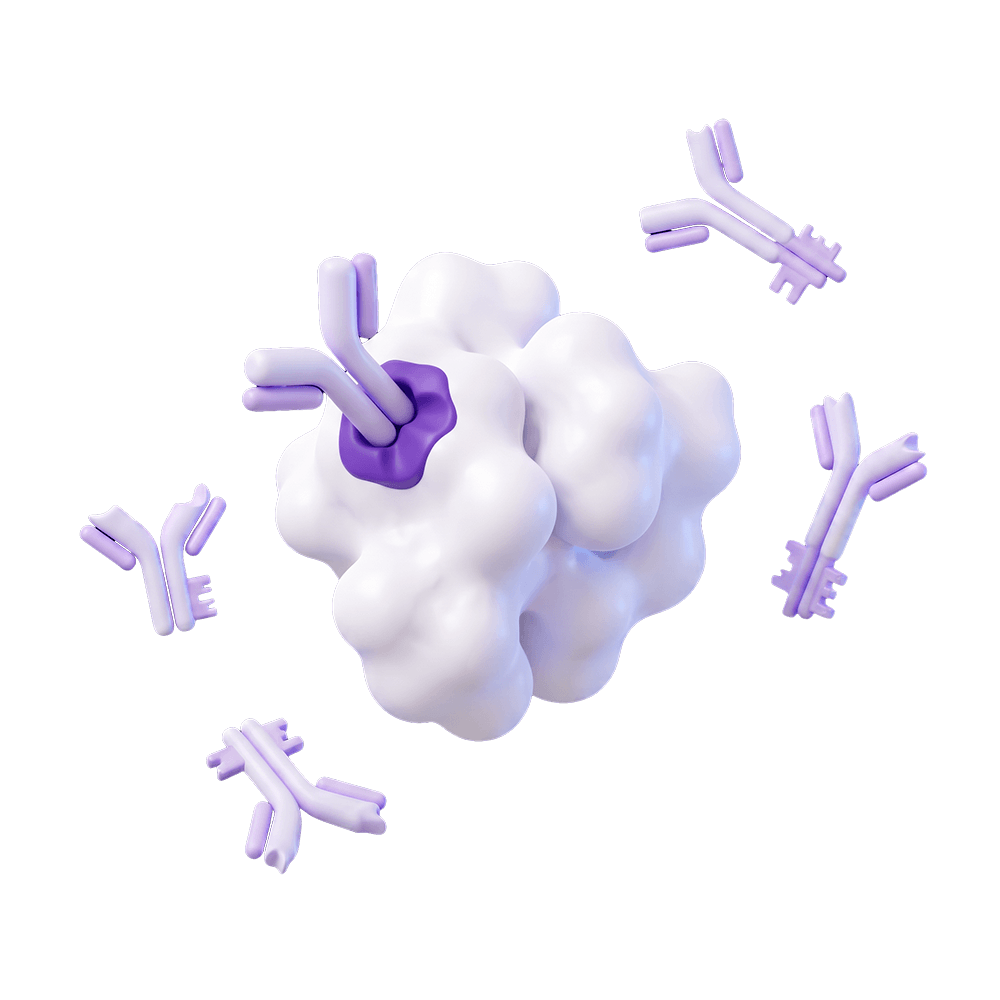
Recessed catalytic sites, membrane-proximal pockets and epitopes shielded by dense glycan structures can restrict access for conventional antibodies. AbPico Bovine Discovery service lets you explore sites that you may not have been able to before.
Do you know your target well and want to explore a different kind of binder?
Use AbPico Bovine Discovery to evaluate whether a compact bovine knob domain could serve as a standalone binder or a building block for a multispecific construct.
Does your team run its own phage display selections?
AbPico Bovine Discovery delivers your custom, immune-derived phage display library, ready to screen in your discovery workflow. Optional panning campaigns are also available.
Do you need to retain full rights to the binders a campaign produces?
Every AbPico campaign ships the library with bacterial stocks, so your team can grow it and re-screen it within your own facility. Full commercial rights to the sequences and any resulting binders stay with you, and no separate platform license is required.
Do you need an established group executing an unfamiliar format?
Our proprietary immunization and phage display workflows carry every AbPico campaign, with nearly 1,200 immunization campaigns and nearly 600 phage display campaigns completed to date. Immunization and library construction both take place at a single North American site.
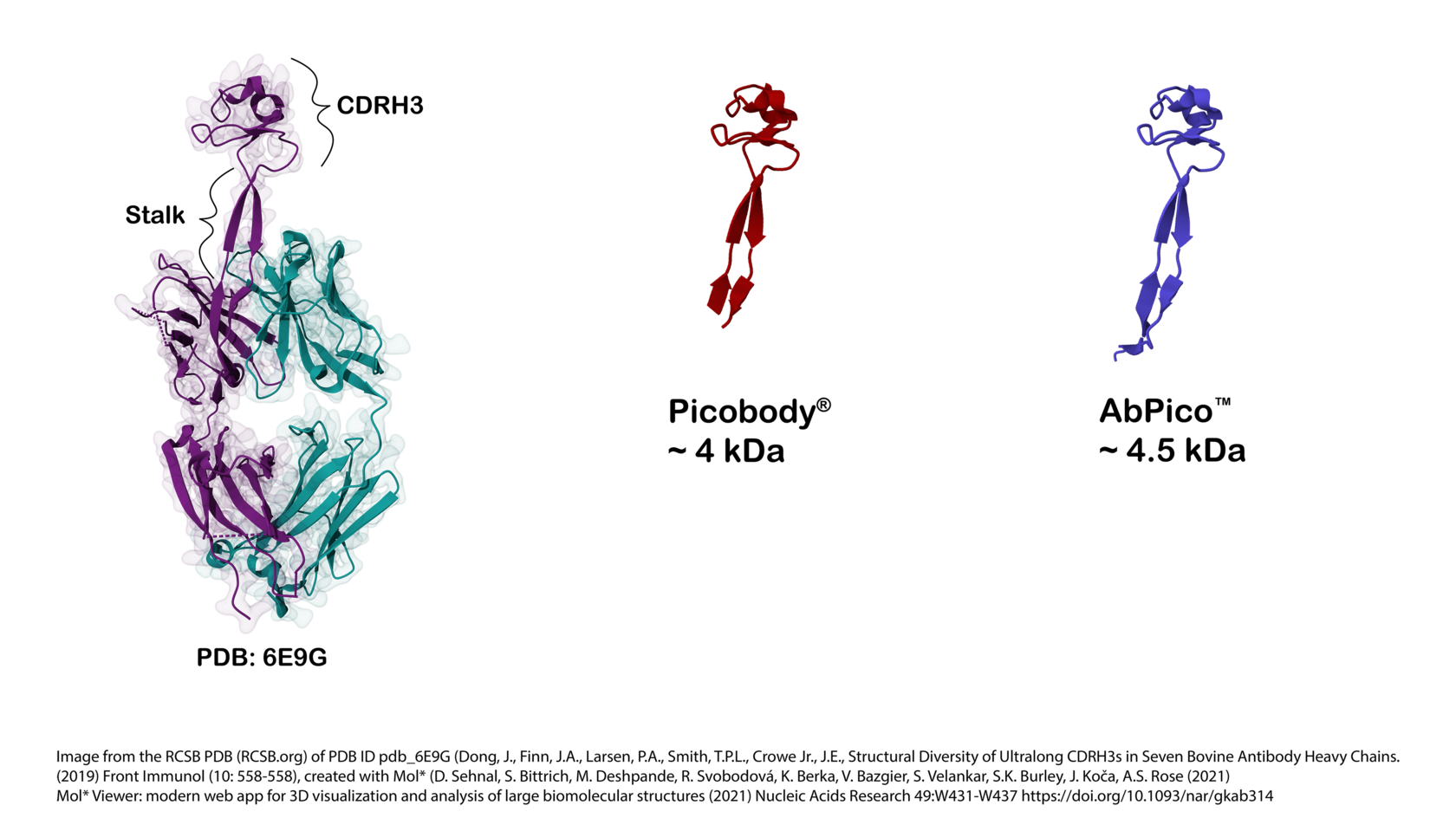
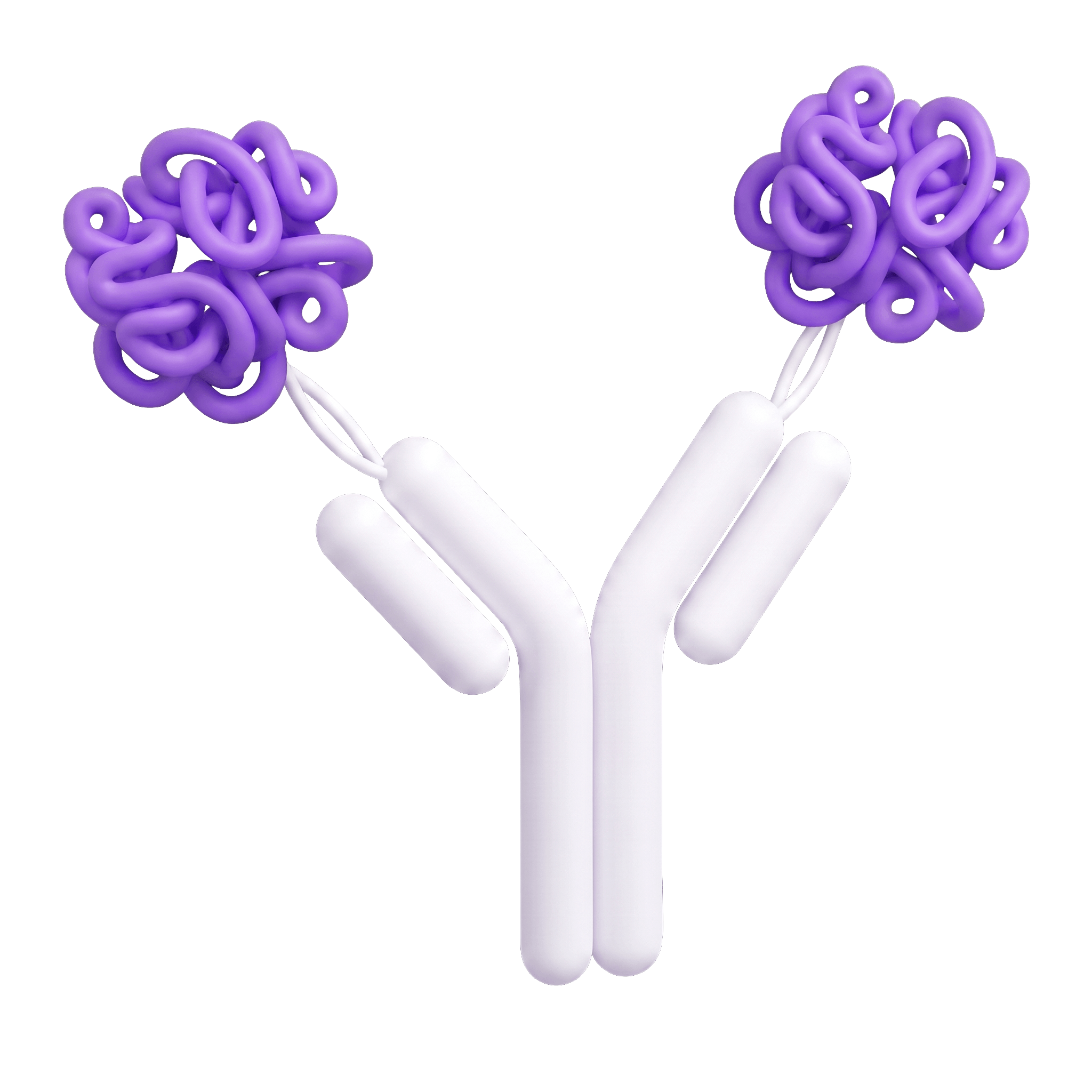
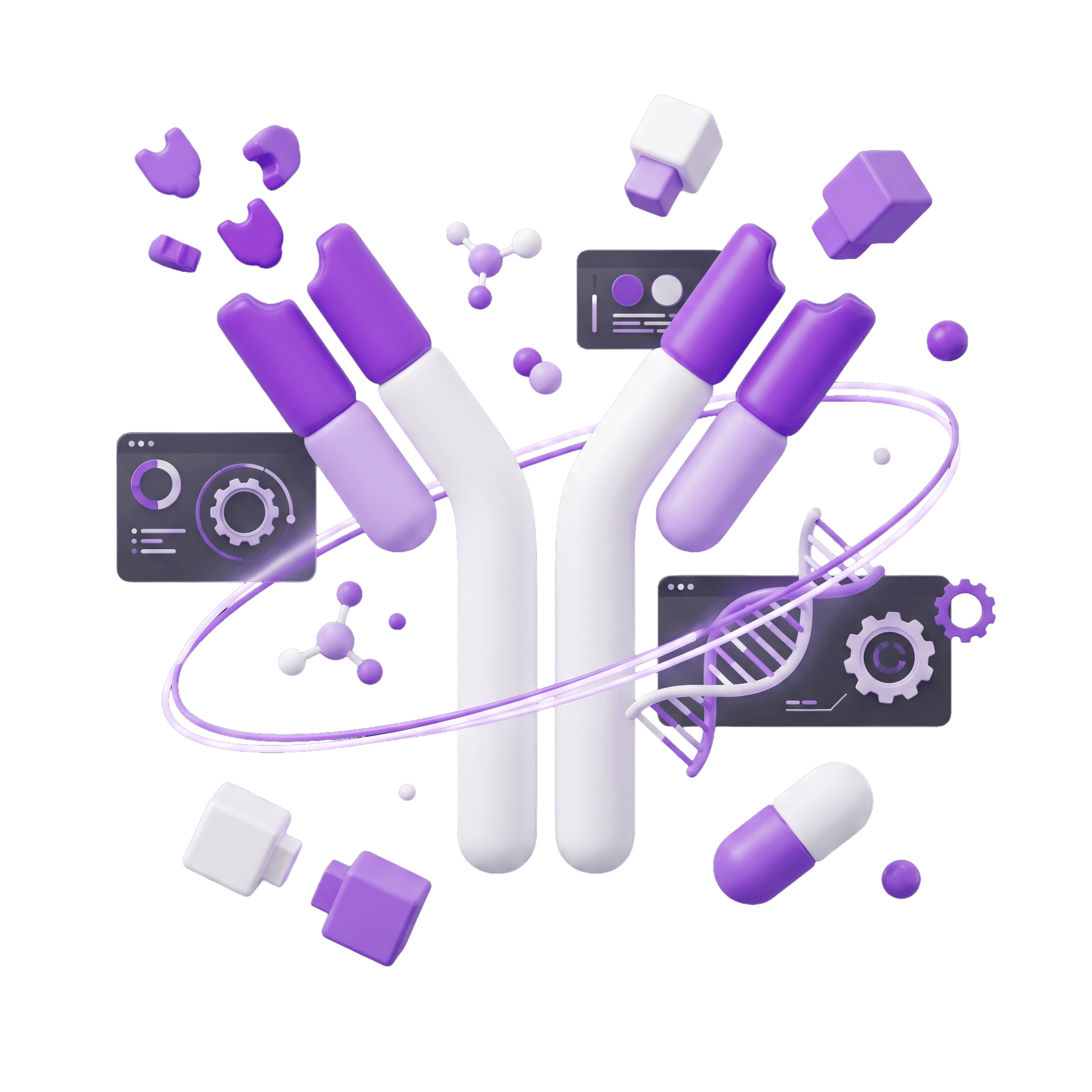
In bovine ultra-long CDRH3, an extended beta-ribbon stalk projects a compact, disulfide-stabilized binding knob beyond the antibody surface. This geometry may help the knob reach recessed epitopes that are difficult for conventional antibodies to access.
AbPico Bovine Discovery turns this natural feature into a discovery service, to create a custom phage display library for your target. One team manages your program from antigen assessment to library delivery, using its proprietary immunization and phage display workflows.
What Published Research Shows
Three studies describe how bovine ultra-long CDRH3 is structured, how the bovine immune system generates knob diversity, and what researchers recovered after immunization.
The Stalk-and-Knob Structure:
Crystal structures show that bovine ultra-long CDRH3 shares an extended β-ribbon stalk that projects a structurally diverse knob beyond the antibody surface.
In published research, cattle immunized with human complement C5 yielded knob domains that retained target binding after isolation from the parent antibody.
One Fortis team manages your AbPico Bovine Discovery campaign from antigen assessment through library delivery, using proprietary immunization and phage display workflows.
01
Assess Your Antigen & Plan the Campaign
We review your antigen and discovery objectives with you to define the campaign.
02
Generate Bovine Immune Response
We immunize cattle with your antigen to elicit an immune response. That repertoire is the source of the ultra-long CDRH3 sequences used to build your library.
03
Build Your Custom Phage Display Library
We use ultra-long CDRH3 sequences from the immunized cattle to construct a library for your discovery program.
04
Deliver Your Ready-To-Screen Library
You receive a vial of your custom phage display library, ready-to-screen within your own discovery workflow.
We can also run optional panning campaigns for you on your custom library.
You will receive a vial of your custom bovine ultra-long CDRH3 phage display library, ready to screen in your discovery workflow.
2. Can Fortis screen the library for me?
Yes. Panning and screening are optional campaigns on your library. Tell us what you are selecting for and we design the strategy around it. You keep the library and the stocks regardless, so our screening adds to what your team can run, rather than replacing it.
3. What antigen formats can I use?
We can work with a range of immunogen formats, including proteins, peptides, cells, and nanodiscs. A Fortis scientist can review your proposed antigen format in the context of your discovery objectives.
4. How long does it take to receive my library?
Library delivery depends on the scope of your campaign. We’ll confirm your estimated delivery date during project planning. Optional panning and screening can each add approximately 2–4 weeks.
What quality control information comes with the library?
Library QC is performed by Sanger sequencing of representative clones, confirming construct integrity and correct library architecture, and a Certificate of Analysis is provided with your library. If your program requires deeper sequence characterization of the library, tell us during planning and we will discuss what is possible within your campaign.
Bring Us Your Target
Tell us what it is, where the binding challenge sits, and what you have already tried. You will get back an assessment of whether a bovine knob domain is a credible route for that epitope, and what a scoped campaign would involve.