

Learning Center
Protocols Western Blotting Immunohistochemistry Immunofluorescence Direct vs. Indirect Staining for Flow Cytometry
Explore Learning Center Secondary antibody performance can make the difference between clean data and a failed experiment. An incompatible secondary antibody can lead to experimental failure, even when the primary antibody is well validated.
Secondary antibody selection should not feel complicated. When the wrong format is used, you can run into high background, non-specific binding, weak signal or cross-reactivity in complex multiplex experiments.
When specificity matters, quality control matters too. Bethyl secondaries are supported by lot-to-lot consistency and a 6-Pillars of Validation framework designed to help support confidence in your data.
Choosing the right secondary antibody improves signal amplification, specificity, and data confidence.
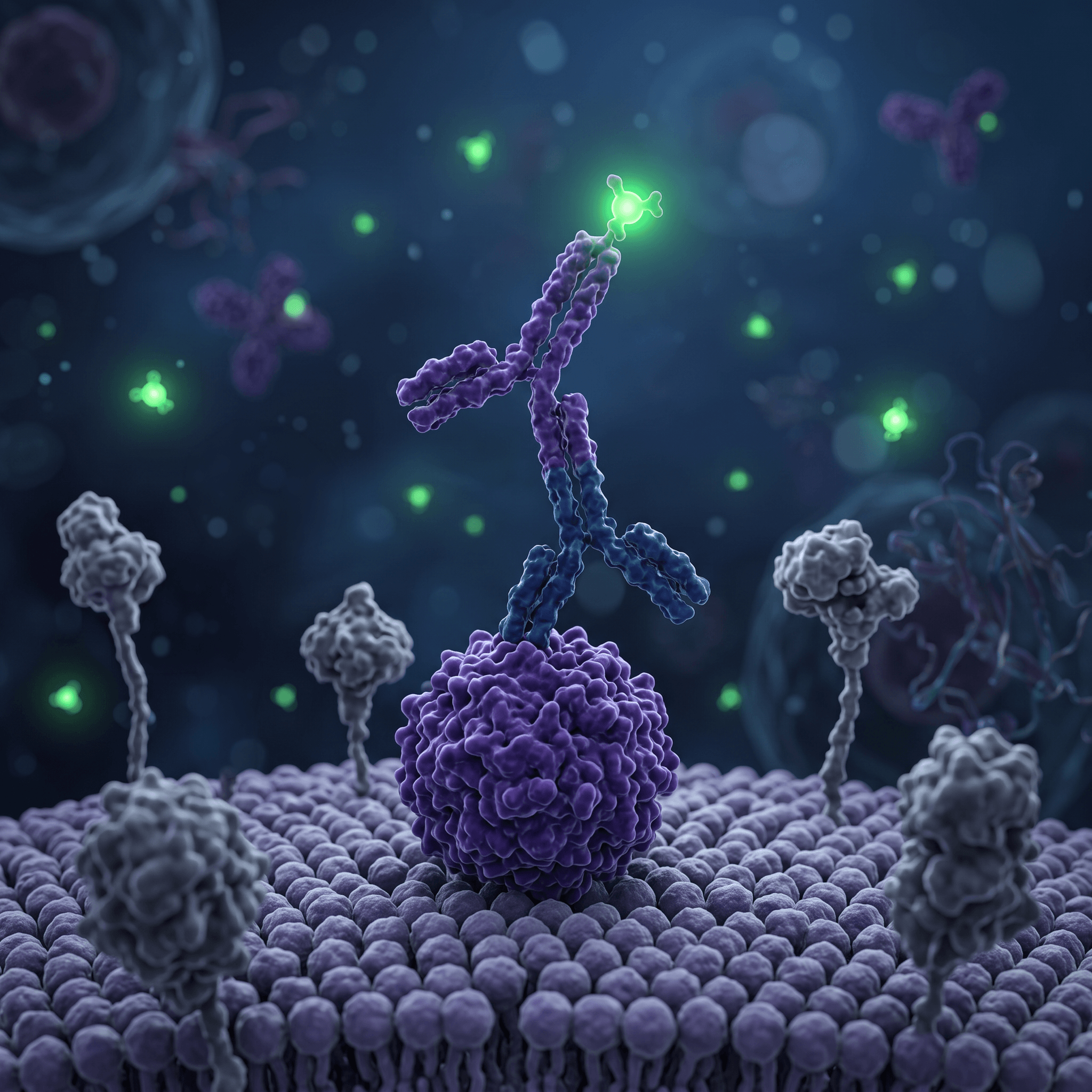
Choose cross-adsorbed secondary antibodies to reduce off-target binding and improve specificity.
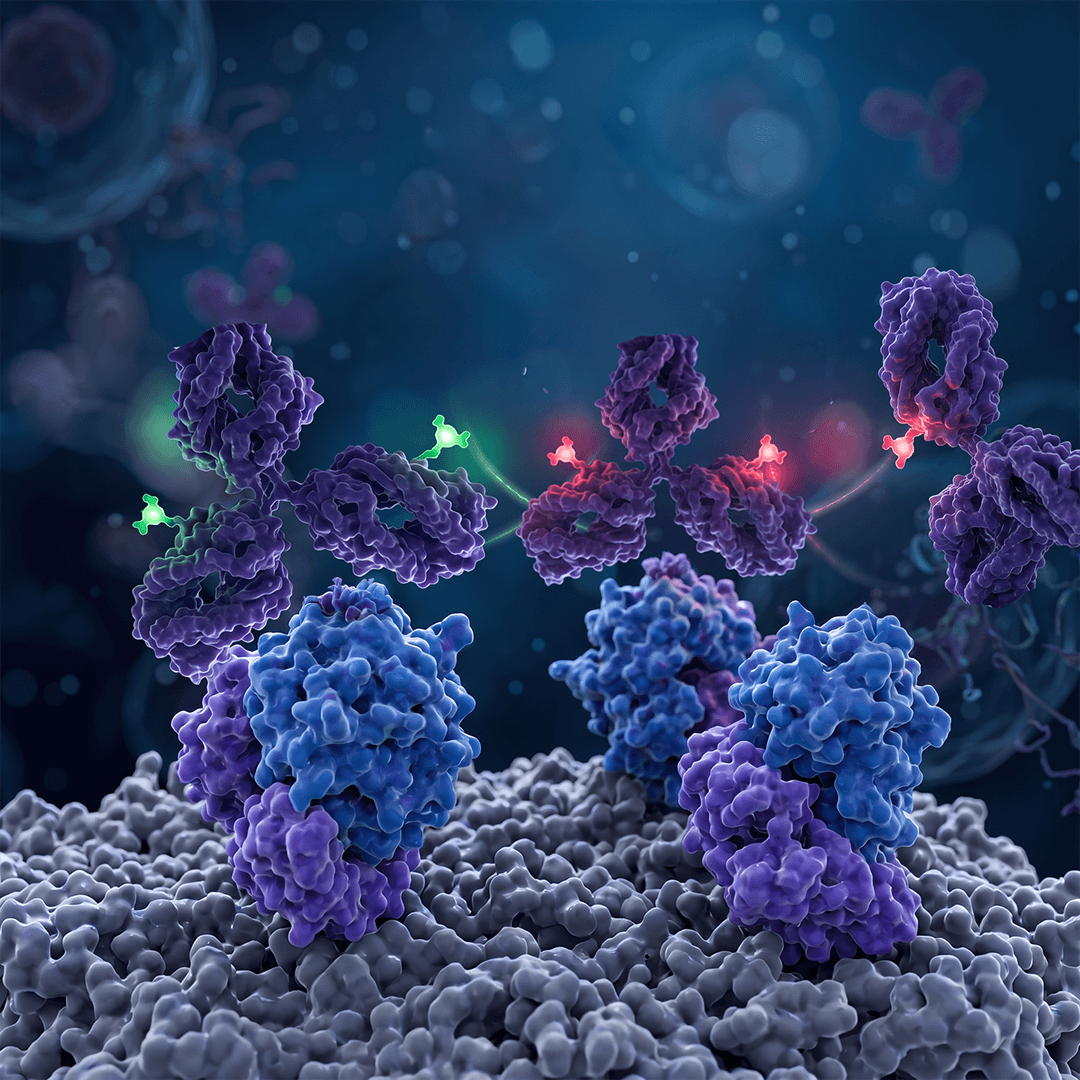
Use species- and subclass-specific formats designed to help minimize cross-reactivity in multi-label experiments
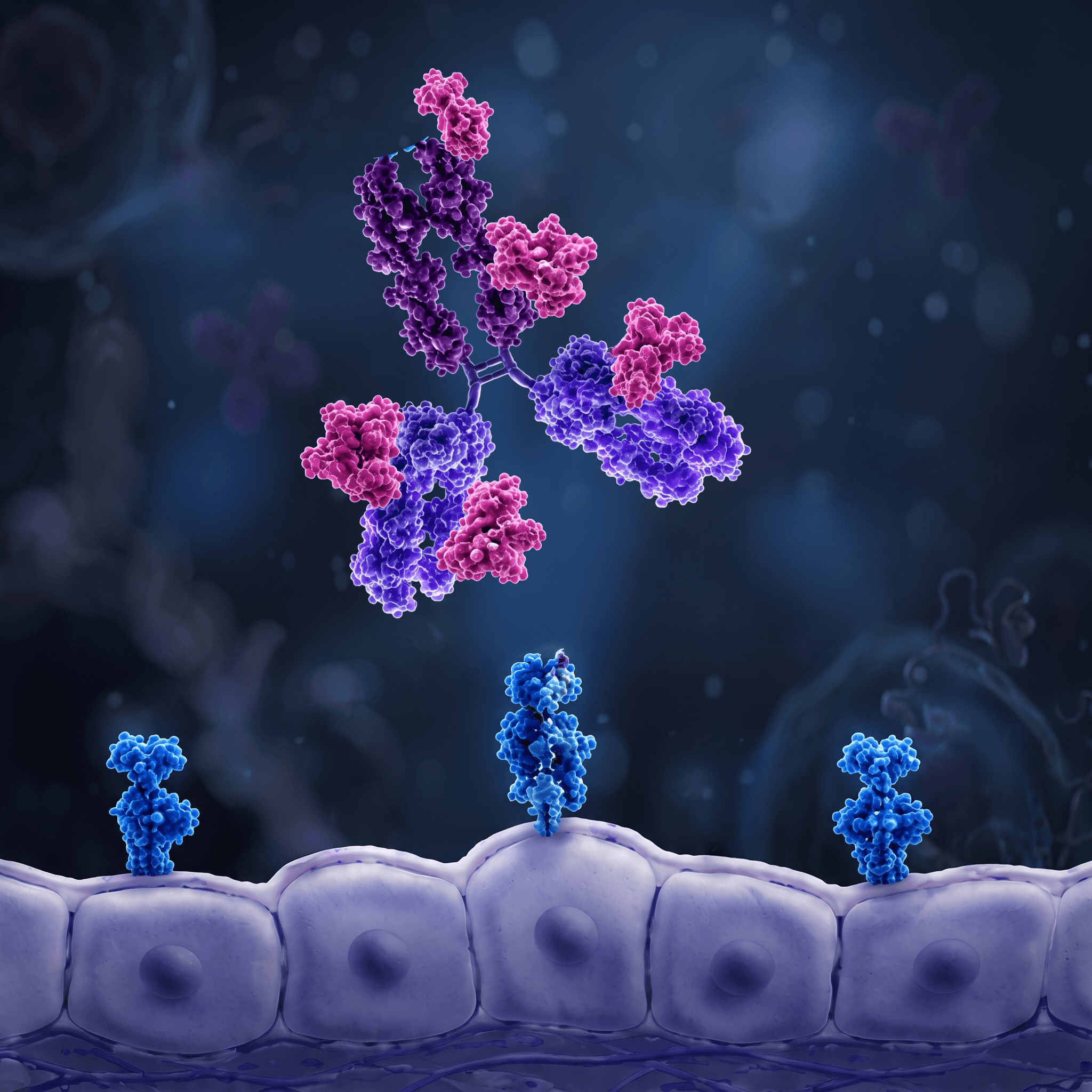
F(ab’)2 and fragment formats can help reduce non-specific binding in IHC and tissue-based workflows.
Narrow your options step-wise by species reactivity, application, conjugate, and format in just a few clicks.
When choosing a secondary antibody, match it to the species of the primary antibody while ensuring it was raised in a separate species. For example, a rabbit-derived primary antibody should be paired with an anti-rabbit secondary antibody generated in a host such as goat, donkey, rat, or mouse. Or a mouse primary antibody requires an anti-mouse secondary antibody raised in any species other than mouse (e.g. rabbit, goat, rat, donkey, etc.).
We offer broad species coverage to help you match the right secondary to your primary. From routine mouse, rabbit, goat and human-reactive secondaries to less common options like alligator or kangaroo, the goal is the same: make selection easier and performance more predictable.
Our portfolio is designed around real assay needs, whether you need a standard secondary for general Western blotting or a highly cross-adsorbed format for multiplex IHC or IF, you can quickly find the right fit for your experiment.
From fluorescent dyes for imaging to enzyme conjugates for colorimetric detection, selecting the appropriate secondary antibody helps maximize sensitivity, specificity, and overall assay performance.
The following questions will help guide your secondary antibody selection